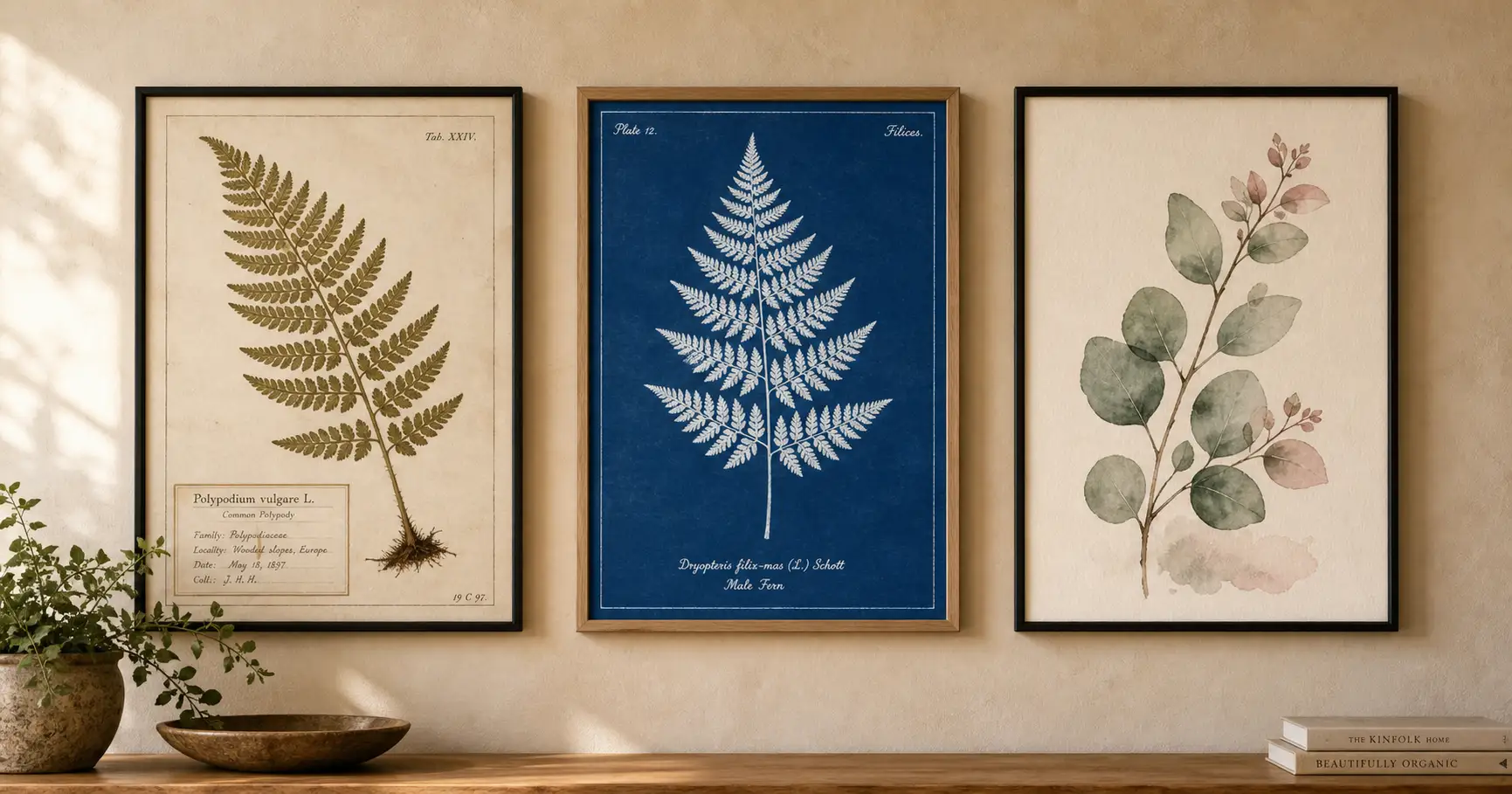
You have a plant you love, and you want it on the wall as one of those quiet botanical prints: a single fern in faded sage and ochre, a Latin name in elegant italic, framed like a page from an old study book. So you priced it out. A custom botanical print from a designer runs real money and takes days, and the design software wants hours you do not have. Here is the third door: one AI prompt turns any leaf or flower into a framed herbarium-style botanical print in about two minutes, with no design software and no designer.
Why the two normal routes both make you pay first
There are two normal ways to get a botanical print, and both ask you to pay before you ever see it.
The first is to hire someone. A custom botanical print from a freelance designer on a marketplace like Fiverr commonly runs from about $50 to $200, and the good ones quote in days, not hours. You describe what you want, you wait, and the first time you see the actual print is when it lands in your inbox. If it is wrong, you are into another revision round.
The second is to make it yourself in design software. Illustrator, Photoshop, and Canva can all do it. None of them will teach you what makes the style work, and a convincing herbarium plate is its own quiet craft. You can spend an evening tracing a leaf and still produce something that looks almost right and reads as off.
There is a real difference hiding in those two routes. One asks you to pay in money. The other asks you to pay in hours. The AI way asks for neither up front: you see the print first, then decide if it earned a frame.
Here is the same choice laid out flat.
| Hire a designer | Learn the design software | The AI prompt way | |
|---|---|---|---|
| What it costs | About $50 to $200 for a custom print on freelance marketplaces like Fiverr | $0 in cash, but the software subscription plus hours of your time | The price of a print. The prompt is free to run |
| How long until you see it | Days of back-and-forth; no preview before delivery | Hours to learn botanical illustration well enough to not look off | About two minutes per render |
| Skill required | None, you outsource it | Real design skill in Illustrator, Photoshop, or Canva | None, you paste one prompt |
| Redo if it’s wrong | Costs another revision round, if the designer allows it | Start the file over | Regenerate free, as many times as you want |
| Looks authentically botanical | Depends entirely on the designer you drew | Only if you already know the five marks | Built in: the prompt locks all five marks |
Neither old route is a scam. They just both bill you before the reveal.
The 5 marks of a herbarium-style botanical print
Before the prompt, the taste. A botanical print is not a vague mood you sprinkle on a leaf photo. It is a specific look that came from real botany, the pressed-and-mounted specimen sheets that scientists made to record a species, and once you can name its parts, you can tell the AI to hit every one.
The prints people picture come from the old herbarium tradition. A herbarium, in the words of the Royal Botanic Gardens, Kew, is “a collection of dried plant specimens that are stored, catalogued, and arranged by family, genus and species for study” — one plant, pressed flat, mounted on a sheet, labeled, kept for reference. Kew’s own herbarium holds around seven million of them. Strip the framed prints down and the same five things show up every time. Call them the 5 marks of a herbarium-style botanical print.
- A single specimen, centered. One plant, one leaf, or one flower, placed dead center and roughly symmetrical. Not a busy bouquet, not a scattered arrangement. The restraint is the whole point.
- A muted herbarium palette. Sage green, soft ochre, and faded rose on a cream, lightly aged ground. The color reads like it dried in a book for a century. Not bright, not saturated, not modern.
- A Latin-name label in serif italic. The species name in small, elegant serif italic, set like a real specimen label. This single touch is what makes the eye read “scientific plate” instead of “leaf clip-art.”
- Scientific-illustration linework or pressed-flower flatness. Either precise hand-inked contour lines showing stem and vein detail, or the flat, papery look of a plant pressed under a heavy book. Both work; pick one.
- A generous margin, a framed-plate feel. Wide empty space around the specimen, so it reads like a mounted museum plate, not a full-bleed photo. The margin is the frame.
Get these five right and the print reads as a real herbarium plate. Miss them and you get a leaf photo with a word on it, which is exactly what the prompt below is built to prevent.
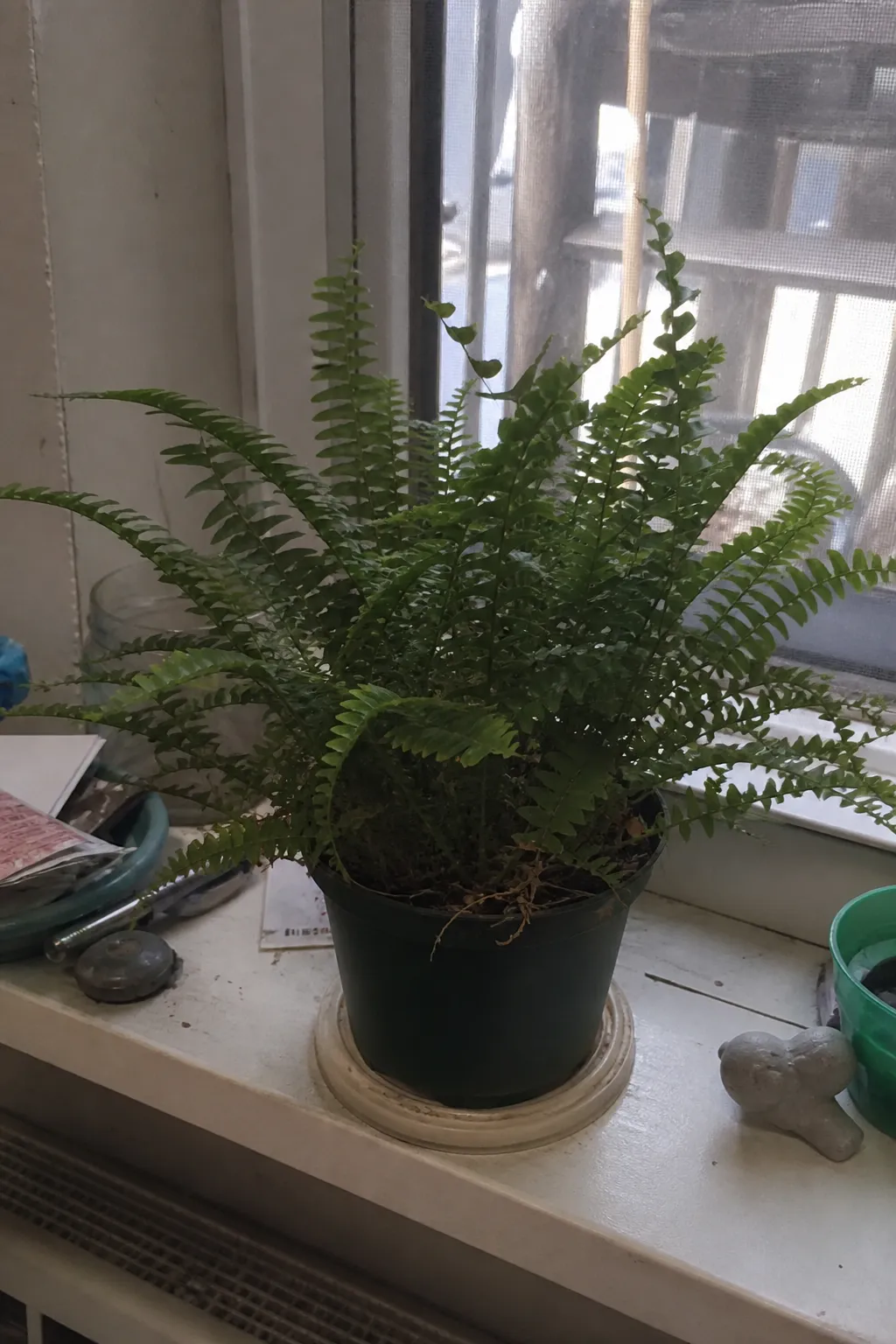
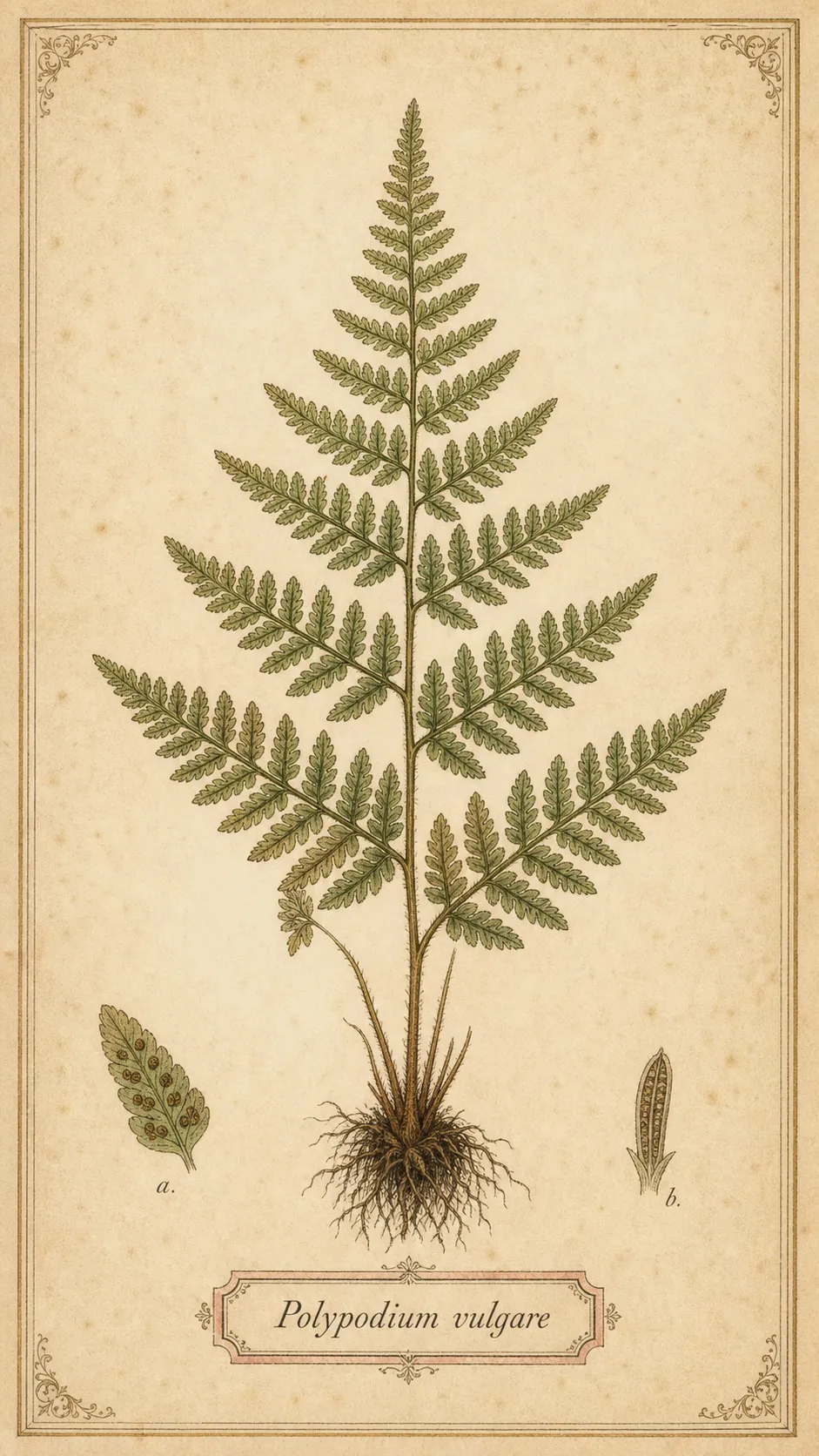
Here is the difference the five marks make. The same kind of plant, the ordinary windowsill snapshot first, then rebuilt to obey all five.
The prompt: paste it, swap two lines
Upload one photo of the leaf or flower if you have it, paste the block below into ChatGPT, Gemini, or any AI image tool, and swap two lines for the plant you want on your wall.
Show the full promptTap to expand
Paste this into your AI (ChatGPT, Gemini, Claude, Midjourney).
Optional upload: one photo of the leaf or flower. The AI uses it only to get the real shape of that species right, then restyles it completely. No photo? The prompt still works from the plant name alone.
Generate this image:
A 9:16 vertical vintage herbarium-style botanical print of {SPECIMEN}, in the unmistakable style of a 19th-century scientific illustration plate, with the Latin name {LATIN_NAME} rendered in small elegant serif italic lettering on a label near the bottom, spelled exactly as written and clearly legible. One single specimen fills the plate, centered and symmetrical, drawn with precise hand-inked scientific-illustration linework showing stem, leaf, and vein detail, like a pressed plant mounted on an aged study sheet. A muted herbarium palette of sage green, soft ochre, and faded rose on a cream, lightly aged paper ground. A generous even margin all around so it reads as a framed museum plate, with a subtle foxing and paper-grain texture. Calm, restrained, decorative, and unmistakably antique.
Rules the AI must follow:
- Aspect ratio 9:16 vertical, stated at the start and again here at the end.
- Render the Latin name
{LATIN_NAME}verbatim and spelled correctly in small serif italic. No garbled letters, no character substitutions, all text in English Latin script. - One single specimen only, centered and symmetrical. No bouquet, no scattered arrangement, no second plant.
- Muted herbarium palette of sage, ochre, and faded rose on aged cream paper. Not bright, not saturated, not modern.
- A generous empty margin frames the specimen like a mounted museum plate. No full-bleed photo background.
- No photoreal rendering, no smooth digital vector, no busy background. Single image only. No moodboard, no contact sheet, no variant grid. Output the image directly.
Replace these placeholders with your details:
{SPECIMEN}= the plant you want, e.g.a single fern frond{LATIN_NAME}= the species name for the label, e.g.Polypodium vulgare
Bonus tips. Swap both lines at once for a coordinated new specimen. Eucalyptus: a single eucalyptus sprig, label Eucalyptus. Magnolia: a single magnolia branch in bloom, label Magnolia grandiflora. Sweet pea: a single sweet-pea stem, label Lathyrus odoratus. Build a matching set of three for a wall by keeping the style identical and only changing the specimen. For a different mood, swap the style line for one of the looks in the gallery below: cyanotype blue, loose watercolor, gold line on a dark ground, or a flat pressed flower. If the Latin name comes out garbled, paste the label rule once more at the very end.
The prompt is doing four jobs you would otherwise hire out.
- It names all five marks as hard rules, so the model builds the style instead of guessing at “botanical.”
- It states the Latin-name rule and the 9:16 aspect twice, once at the top and once at the close, because a constraint repeated at the end of a prompt holds better than one stated only once.
- It leaves two lines open, the specimen and its Latin name, and locks everything else. Those two lines are where your plant enters the plate.
- It tells the AI to treat any uploaded photo as a reference for the real species, then restyle it, so your photo guides the shape without dragging photographic texture in. If the result still drifts toward the generic plastic look that gives AI images away, the muted-palette and linework rules are your fix.
Five botanical looks, one prompt
The prompt above is a chassis. The two placeholder lines put your plant in it; the style line decides the look. Keep everything else and swap that one phrase, “in the unmistakable style of a 19th-century scientific illustration plate,” for another, and the same specimen re-skins into a completely different botanical-art style. Here are five, starting with the vintage herbarium plate the main prompt builds by default.
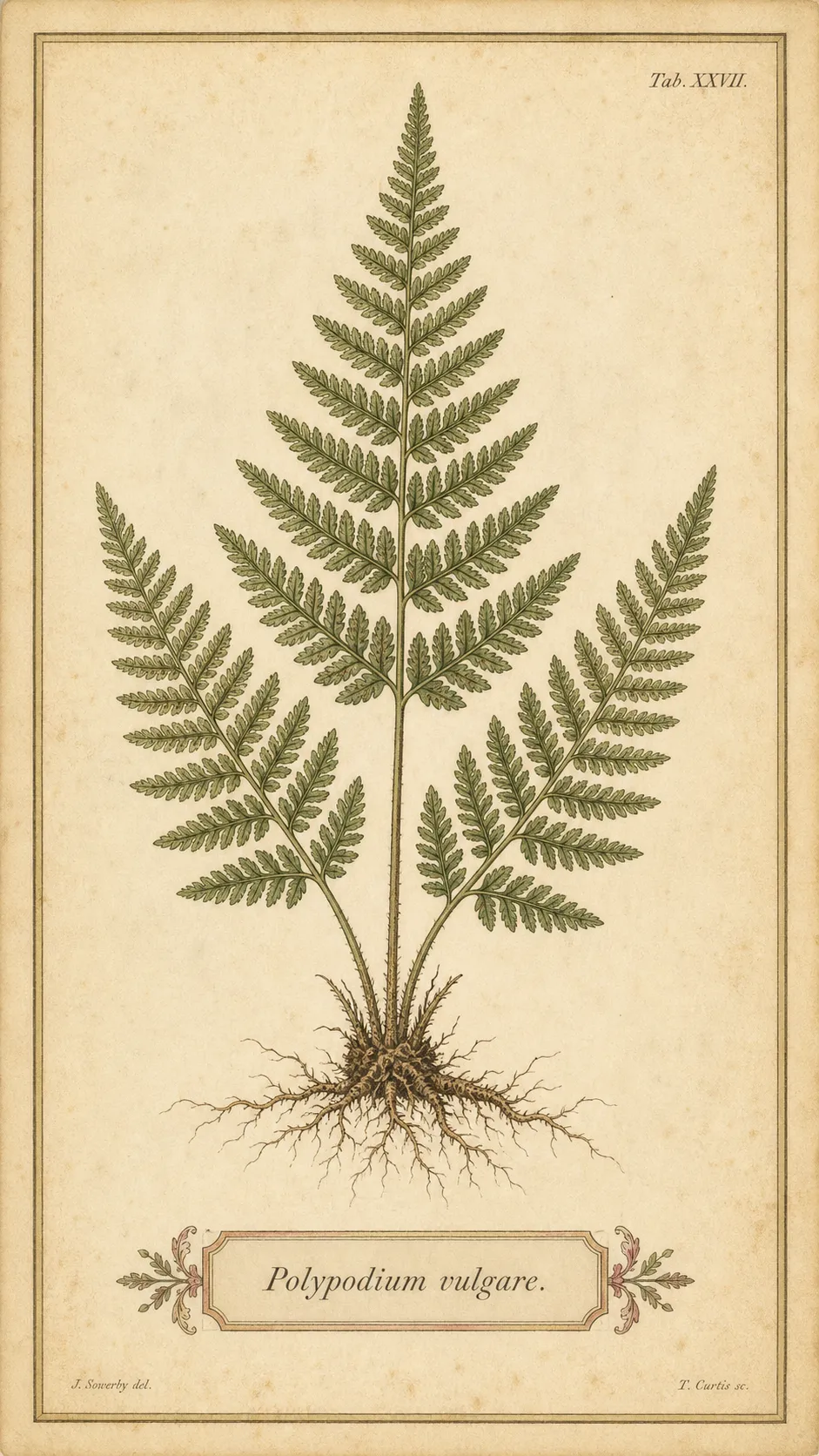
Vintage herbarium plate (the default). The style line is the one already in the prompt: “in the unmistakable style of a 19th-century scientific illustration plate.” Precise inked linework, a muted faded palette, a single pressed specimen on aged cream paper.
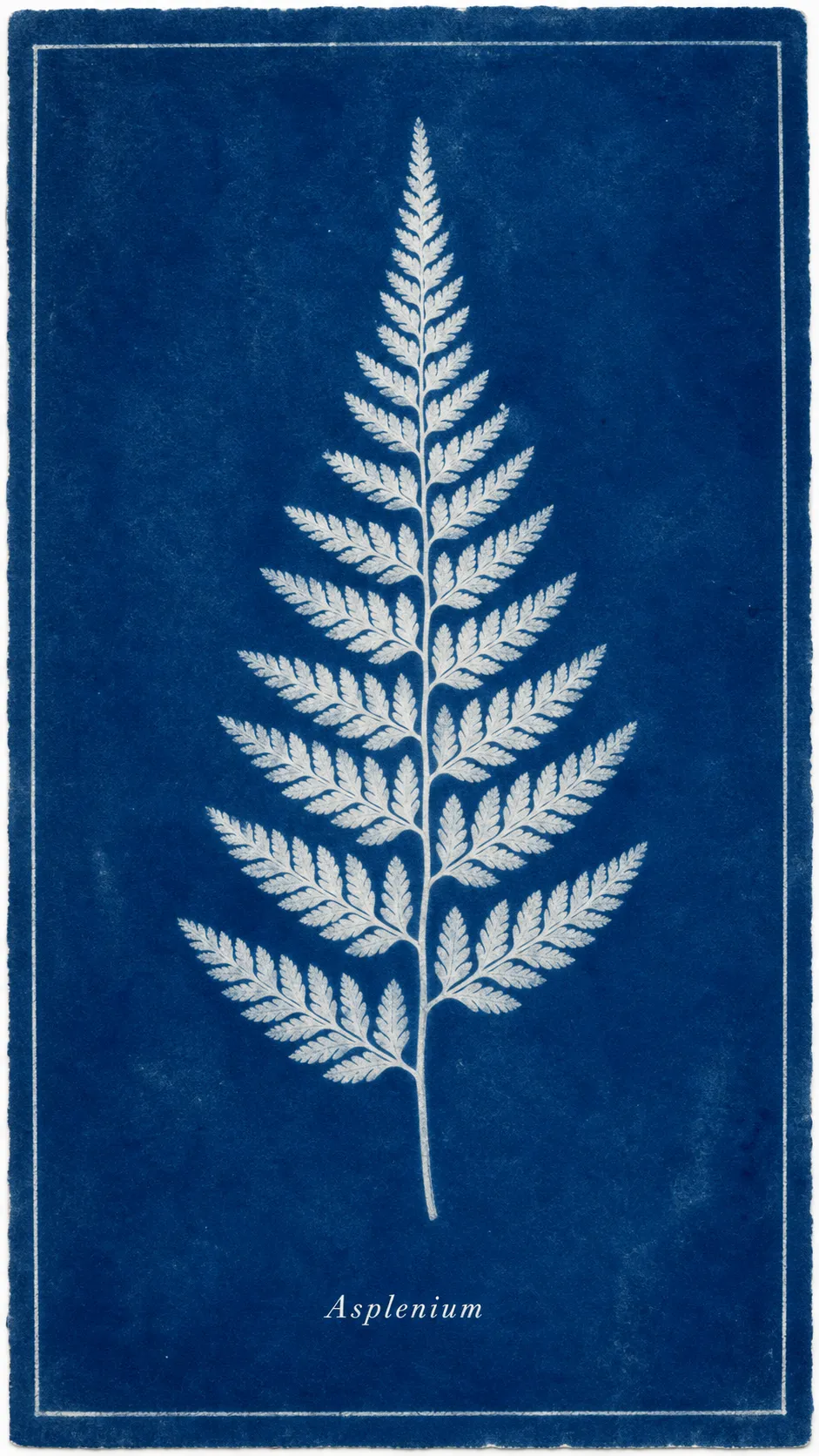
Cyanotype blueprint. Swap the style line for: “in the photogram cyanotype style of Anna Atkins’s 1843 botanical prints, a pale luminous white-and-cyan plant silhouette on a deep Prussian-blue ground, soft photogram edges, two-tone blue and white only.” This look is a real one. The Natural History Museum credits Anna Atkins’s 1843 Photographs of British Algae as the first book ever printed and illustrated by photography, every plate a deep-blue cyanotype of a pressed plant.
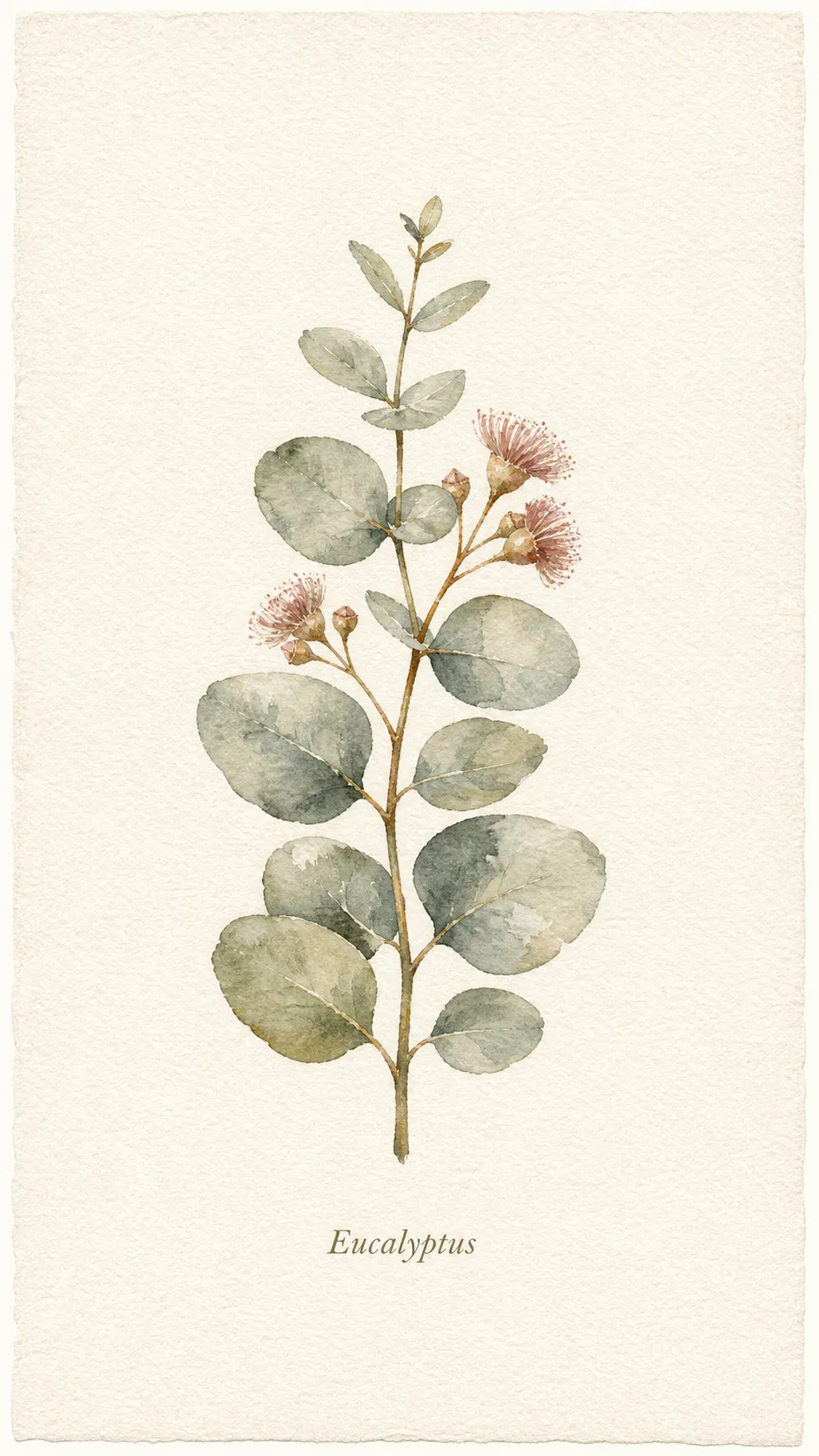
Loose watercolor. Swap the style line for: “in a soft hand-painted modern botanical watercolor style, translucent washes and visible brush strokes, pigment pooling at the edges, a muted sage-ochre-rose palette on warm watercolor paper, airy and restrained.”
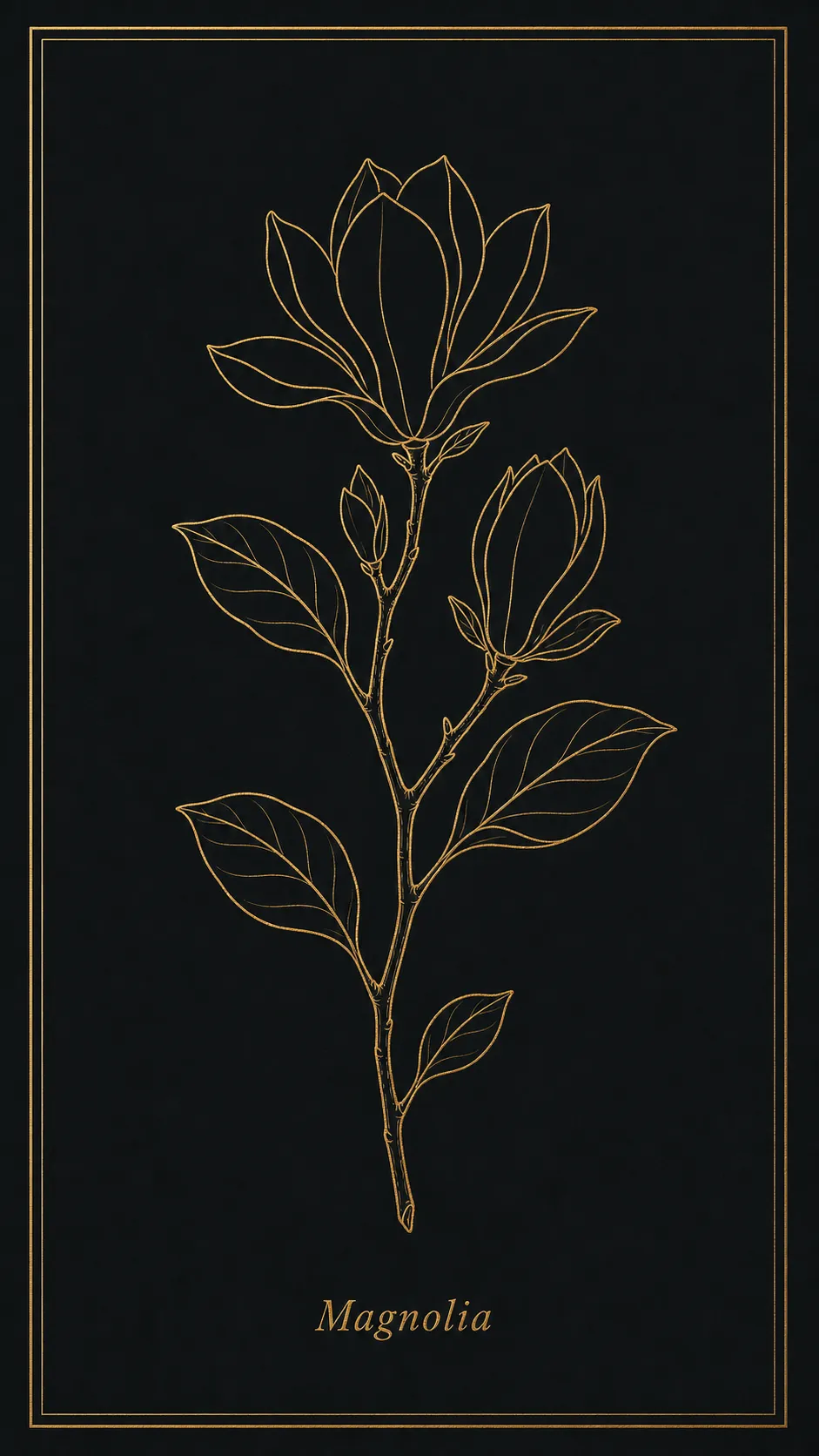
Gold line on a dark ground. Swap the style line for: “in an elegant minimalist gold line-art style, the plant drawn entirely as a fine continuous metallic-gold contour line with no fill, on a deep moody charcoal, forest-green, or inky-teal ground, calm and luxurious.”
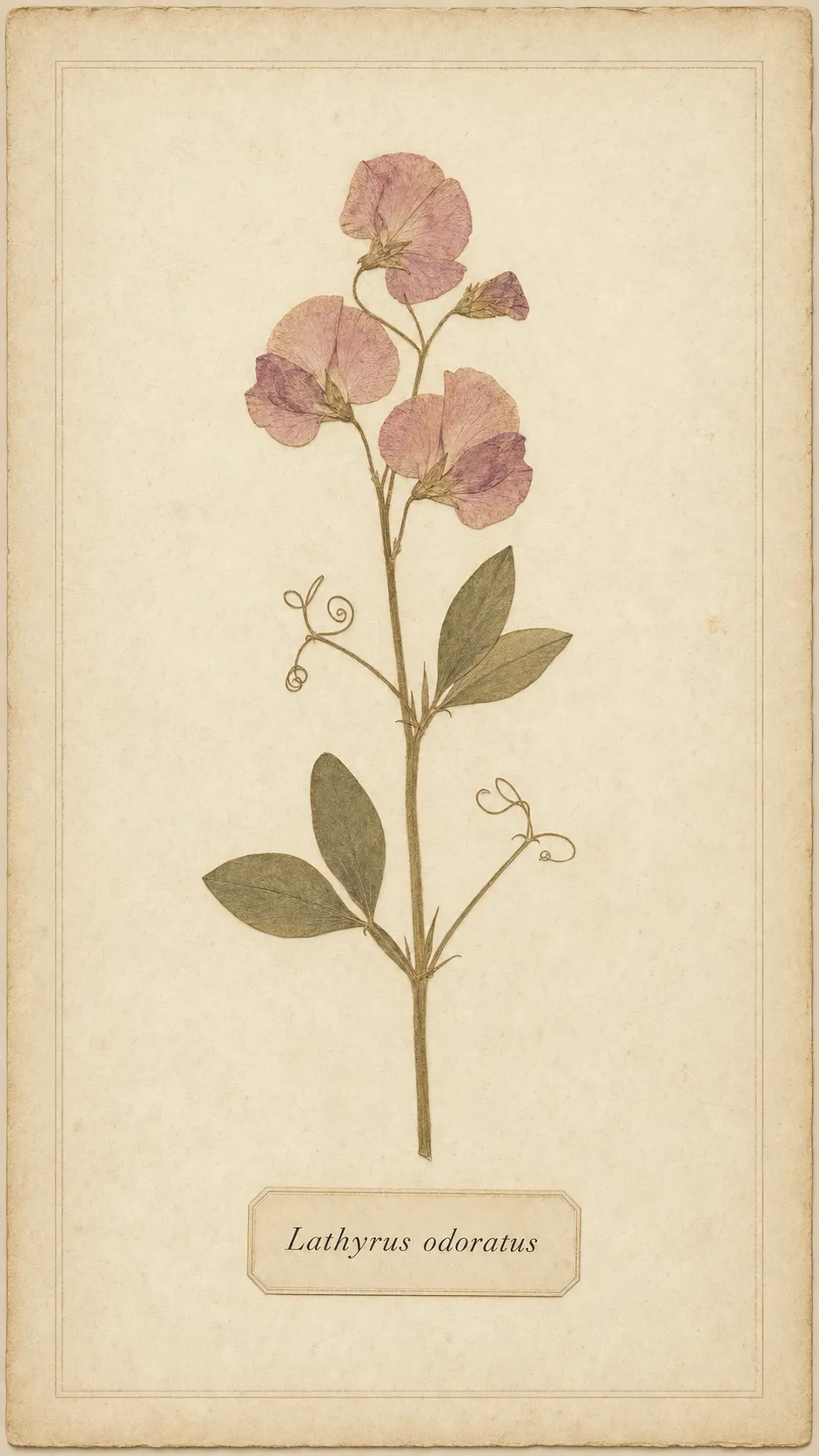
Pressed-flower flat-lay. Swap the style line for: “in the flat style of a real pressed-and-mounted specimen, papery flattened petals and dried translucent leaves shown perfectly flat top-down on cream mounting paper, the soft faded color of a real dried flower, a subtle drop shadow under the plant.”
That is the whole trick: one chassis, five looks. Pick the plant, pick the look, and regenerate until it sings.
One paste-ready AI art move a week, the kind you can use on a Tuesday or a Sunday. Subscribe to the newsletter.
Paste, render, refine, print
Once the prompt is in, the rest is mechanical.
- Paste the prompt and swap the two lines. Set the specimen and the Latin-name label. Optionally upload one photo of the leaf or flower.
- Render it. You will have a print in about two minutes. This is the same step that doubles as a full AI photoshoot move from one image once you see how far one prompt carries.
- Refine the two things that usually drift. If the Latin-name label comes out garbled, paste “render the Latin name verbatim and spelled correctly in small serif italic” again. If the image looks bright or photoreal, paste “muted herbarium palette of sage, ochre, and faded rose on aged cream paper, scientific-illustration linework, not photoreal.”
- Regenerate until all five marks land. This is the half the designer cannot give you. You are not paying $200 to wait days for a print that is almost right. You regenerate free until it is right.
- Upscale and print. Ask the tool for the largest size it offers and save as PNG. Print at 300 dpi at a standard vertical poster size: 12 by 18, 18 by 24, or 24 by 36 inches. Frame it.
You can make this in the studio right now without leaving the page, then come back and print the one you keep.
Other poster styles you can make
The botanical print is one doorway. The same paste-render-print move re-skins into every other wall-art style, and each one has its own short list of marks the way this one has five.
- Vintage travel. A deep framed view, a local signature trio, bold vibrant color, and a screen-print texture. (How to make a vintage travel poster.)
- Art deco. Geometric symmetry, a gold-and-black palette with one jewel tone, and stepped chevron borders. (Guide coming soon: how to make an art deco poster.)
- Minimalist travel. Two or three flat colors, one iconic form, and a lot of negative space. (Guide coming soon: how to make a minimalist travel poster.)
- Mid-century modern. Boomerang and atomic-starburst shapes in a warm mustard-and-teal palette. (Guide coming soon: how to make a mid-century modern poster.)
Different style, same five minutes.
Key Takeaways
- A botanical print is a named style, not a vibe: the 5 marks of a herbarium-style botanical print are a single centered specimen, a muted herbarium palette, a serif-italic Latin label, scientific linework or pressed-flower flatness, and a generous framed-plate margin.
- The two old routes both bill you before the reveal: a freelance designer commonly charges $50 to $200 over days, and design software costs you hours of skill-building. The AI prompt shows you the print first.
- The prompt locks all five marks and leaves two lines open. You swap the specimen and its Latin name, and regenerate free until it reads as a real herbarium plate.
- Print at 300 dpi at a standard poster size and frame it. The same paste-render-print move re-skins into cyanotype, watercolor, gold-line, and pressed-flower looks, and into vintage travel, art deco, minimalist, and mid-century styles.
FAQ
Q: How do you make a botanical poster?
A: Five things do almost all the work. Show one single specimen, centered and symmetrical, not a busy bouquet. Use a muted herbarium palette of sage, ochre, and faded rose on a cream, aged ground. Add a Latin-name label in small serif italic. Draw it as either crisp scientific-illustration linework or flat pressed-flower flatness. Then leave a generous margin so it reads like a framed museum plate. The prompt in this article locks all five for you, so you paste it, name your plant, and print.
Q: Can I make my own botanical print?
A: Yes, and you no longer need design software or a designer to do it. Paste the prompt above into any AI image tool, swap two lines for the plant and the Latin name you want, and you get a print-ready botanical poster in about two minutes. A custom botanical print from a freelance designer on a marketplace like Fiverr commonly runs from about $50 to $200 and takes days. The prompt costs you the price of a print, and you can regenerate it free until it looks right.
Q: How do you turn a photo of a plant into a botanical print?
A: Upload one photo of the leaf or flower alongside the prompt. The AI uses the photo to get the real shape of that species right, then restyles it completely into the herbarium-plate look the prompt describes. It does not keep the photographic background or texture. If you do not have a photo, the prompt still works from the plant name alone and builds an idealized specimen.
Q: What makes a print look like a real herbarium plate?
A: A real herbarium plate is a single pressed plant mounted on an aged study sheet, so the look comes from restraint, not detail. One specimen, centered and symmetrical. A muted, faded palette on cream paper. Precise scientific-illustration linework or flat pressed-flower flatness. A small serif-italic Latin name. A wide margin that frames the plant like a museum plate. That quiet, antique, single-specimen style is what this prompt recreates.
What plant would you put on the wall?
Not the showiest flower in the shop. The one that means something: the fern from your first apartment, the olive branch from a trip, the sweet pea your grandmother grew.
That is the one to put through the prompt first. You can have it framed and on the wall by the weekend, for the price of a print, and the whole job started with you swapping two lines. If you like working this way, paste-ready prompts for the everyday photo jobs, portraits, gifts, and listings, live in the image prompt pack.
So: what is the plant?